 by
by Maritime Technology and Timber Innovation
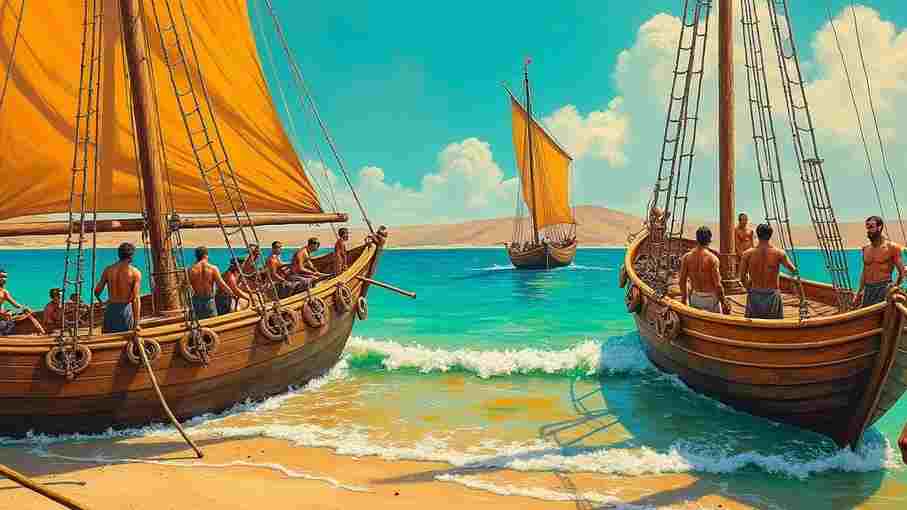
The shipbuilders of Byblos created the maritime technology that enabled Phoenician dominance of Mediterranean trade networks for over a thousand years, developing vessels capable of reliable long-distance ocean navigation that surpassed contemporary Mediterranean maritime capabilities. These craftsmen innovated in hull design, timber selection, joinery techniques, and propulsion systems, producing ships that could carry larger cargoes, endure harsher sea conditions, and maintain reliable schedules of long-distance voyages. Byblos’s strategic position, combined with access to cedar from Mount Lebanonthe Mediterranean’s most prized timbermade the city’s shipbuilders essential to all Mediterranean maritime powers. The Byblos shipbuilding tradition established the principle that superior maritime technology provides competitive advantages that translate into commercial and political power, a principle that shaped maritime history for millennia.
Timber Innovation and Material Selection
Byblos’s access to cedar from Mount Lebanon provided material advantages that competitors couldn’t replicate. Cedar timber possessed superior qualities for shipbuilding: it resisted rot better than alternative timbers, demonstrated exceptional strength-to-weight ratios, and could be worked into sophisticated shapes. Byblos shipbuilders developed expertise in timber selection, choosing individual trees and sections optimized for specific ship components. This material advantage enabled construction of larger vessels with greater durability than competitors achieved. The cedar trade itself became lucrativepharaonic Egypt imported Byblos cedar for sacred barques and temple construction, with shipbuilders profiting from both shipbuilding contracts and cedar exports. The combination of superior materials and specialized processing knowledge created competitive advantages that shipbuilders could maintain across generations.
Advanced Hull Design and Naval Architecture
Byblos shipbuilders developed sophisticated hull designs that balanced cargo capacity, structural integrity, and sea-worthiness. Their vessels featured reinforced keels, carefully designed frame structures, and propulsion systems combining oars for maneuvering in harbors and sails for open-water voyages. Joinery techniques evolved to create watertight hulls capable of withstanding extended ocean voyages. Archaeological evidence and depictions in Egyptian art demonstrate ships of impressive size and sophistication produced by Byblos builders. These vessels enabled merchants to transport bulk cargoes of wine, oil, timber, and manufactured goods across extended distances, transforming commerce from short-range coastal trading into true ocean-going commerce that connected Mediterranean, Red Sea, and Indian Ocean trade networks.
Professional Guild Organization and Technical Transmission
Byblos shipbuilding operated through organized guilds of professional craftsmen who maintained proprietary technical knowledge and transmitted expertise across generations. Master shipbuilders trained apprentices in timber selection, design principles, and construction techniques, preserving and improving techniques across centuries. This professional organization enabled consistency of quality and reliability of productpurchasers could trust that vessels from Byblos would possess proven capabilities. The guild structure also protected the economic interests of shipbuilders by restricting access to technical knowledge and controlling production standards. This professional guild model influenced all subsequent maritime crafts and established the principle that technical knowledge could be protected and monetized through guild organization and proprietary practice restrictions.


